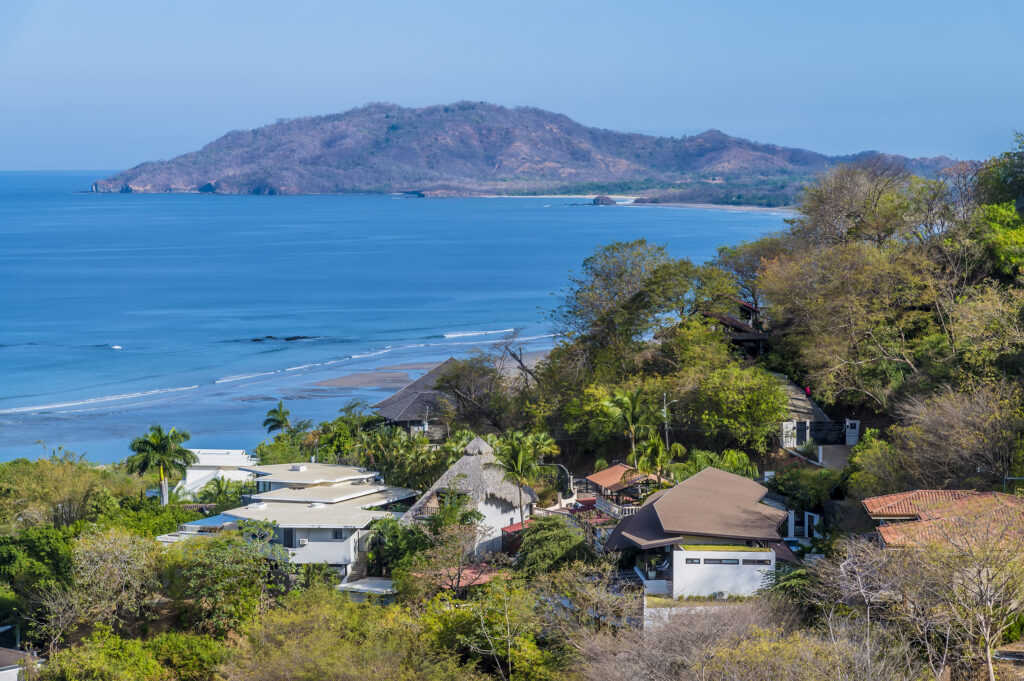
Tamarindo is still one of the strongest real estate names in Costa Rica, but the market in 2026 feels very different from the post-pandemic rush. A few years ago, buyers often had to move fast, accept thin inventory, and compete for anything close to the beach, especially in Tamarindo, Langosta, Villareal, and the road toward Hacienda Pinilla.
Now, the town is not “cheap,” but it is more negotiable. Some sellers are still pricing as if the 2021–2023 frenzy never ended, while buyers are looking more carefully at rental numbers, HOA costs, construction quality, water access, road access, and how far the property really is from the beach during high season traffic.
The biggest change is that buyers have more leverage
The most noticeable shift in Tamarindo in 2026 is not a collapse. It is a normalization. Inventory has grown, some listings are sitting longer, and price reductions have become more common, especially for properties that were priced too aggressively.
This matters a lot in Tamarindo because the market is very segmented. A well-located condo near the beach or in Langosta can still attract strong interest if the price is realistic. A luxury villa with ocean views can still sell, but buyers are more selective than before. A mid-range home that needs work, has weak rental numbers, or sits on a dusty inland road without clear infrastructure now faces much more pressure.
In other words, Tamarindo is no longer a market where everything rises just because it is in Tamarindo. The address still matters, but the details matter much more than they did three years ago.
Tourism is still supporting the market, but not evenly
Demand has not disappeared. Tamarindo still benefits from surf tourism, North American visitors, digital nomads, and the wider strength of Guanacaste. Liberia Airport remains one of the town’s biggest advantages, because Tamarindo is close enough for weekend-style trips from the United States and Canada, which helps both short-term rentals and resale liquidity.
But rental buyers are becoming more realistic. A nice listing on Airbnb is no longer enough to justify any purchase price. Occupancy, seasonality, cleaning costs, property management fees, noise issues, road conditions, and competition from newer units all matter more now.
This is especially true around central Tamarindo, where convenience is valuable but also comes with traffic, nightlife, parking issues, and more operational friction. Langosta feels quieter and more residential, but usually commands higher prices. Villareal and the inland areas can offer better value, although buyers need to be much more careful about roads, water, and daily convenience.
Infrastructure is becoming a real investment filter
One of the most important things to understand about Tamarindo in 2026 is that infrastructure is no longer a side topic. It is part of the investment case.
Water access, wastewater treatment, drainage, road quality, and zoning clarity can change the risk profile of a property. Tamarindo has grown fast, and the town is still dealing with the consequences of that growth. Buyers who only look at the beach, the pool, and the rental projection can miss the issues that actually decide whether a purchase is safe.
This is also why due diligence has become more important. The legal title, concession status near the maritime zone, water letters, building permits, HOA rules, and municipal plans should all be checked carefully. In a mature beach town like Tamarindo, the best opportunities are not always the prettiest listings. They are often the properties where the infrastructure and paperwork are cleaner than the marketing photos suggest.
Tamarindo is still attractive, but the easy-money phase is over
The town still has what foreign buyers want: beach lifestyle, surf, restaurants, international schools within reach, services, rental demand, and access to other Guanacaste destinations like Playa Grande, Avellanas, Flamingo, Potrero, and Hacienda Pinilla. That is why Tamarindo remains one of Costa Rica’s most liquid coastal markets.
But in 2026, the market rewards discipline. Buyers should not assume that every condo will rent well, every villa will appreciate quickly, or every inland lot will become the next hot development zone. The better approach is to compare micro-locations, check recent transactions, stress-test rental assumptions, and understand what is changing locally.
For investors who want to avoid basic mistakes, TheLatinvestor’s Costa Rica Pack can be useful because it includes highly updated and specific information to reduce the risk of relying on outdated numbers before making a real estate decision. It also includes a dedicated document focused on Tamarindo, which is important because Tamarindo behaves differently from Nosara, Santa Teresa, Flamingo, or San José.
What could change next?
The next phase of Tamarindo’s market will likely depend on three things: whether tourism keeps growing, whether infrastructure catches up, and whether sellers accept the new pricing reality.
If tourism remains strong and Liberia Airport continues bringing more international visitors into Guanacaste, the best-located rental properties should stay resilient. If water and wastewater upgrades progress, some areas may become easier to develop and finance. But if inventory keeps rising faster than serious buyer demand, overpriced properties will probably need more reductions.
So, Tamarindo in 2026 is not a weak market. It is a more demanding one. The town still has long-term appeal, but buyers now need better data, better local knowledge, and more patience than they needed during the boom.

Leave a Reply
You must be logged in to post a comment.