Liberia, Costa Rica is the capital of Guanacaste province and the city next to Liberia airport (LIR). Most Tamarindo visitors only see it from a shuttle window, but if you have a few hours or a free day, it’s worth a stop. In town you can walk the old streets and see two churches. A short drive away there are volcanic mud pots, waterfalls and hot springs.
We’re Tamarindo Guide, a free local business directory for Tamarindo, about 1 hour 15 minutes from Liberia airport. We’ve lived in Tamarindo for over 10 years, every business is listed free, and we check our listings against current Google data. Liberia is the gateway for almost everyone who visits Tamarindo, so this guide covers what to do in Liberia before or after your flight, where to eat, safety, weather, and whether to stay the night or go straight to the beach. For the beach town itself, see our Tamarindo, Costa Rica travel guide.
Where is Liberia, Costa Rica, and why do Tamarindo travelers pass through?
Liberia is in northwest Costa Rica, inland from the Pacific coast, about 13 km east of Liberia airport (LIR). It’s the main city of Guanacaste, with about 66,000 people (2022). Most Tamarindo visitors pass through because LIR is the closest international airport to the beach.
The airport sits between the city and the coast. If you land at LIR and head to Tamarindo, you drive west and south, away from the city, so many people never see Liberia at all. To visit the town, you go about 15 to 20 minutes in the other direction.
Liberia is a working city, not a beach town. It’s where people in Guanacaste go for banks, hospitals, big supermarkets and government offices. That’s also the reason to visit: it shows you everyday Costa Rica, with sodas (small family-run Costa Rican restaurants), a central park and street life that has nothing to do with tourism.
Why it’s called the White City
- Liberia is known as “la Ciudad Blanca,” the White City.
- The name comes from the white gravel that once covered its streets and the whitewashed colonial houses that lined them.
- Some of those old houses still stand in the downtown blocks near the central park.
Ranch country
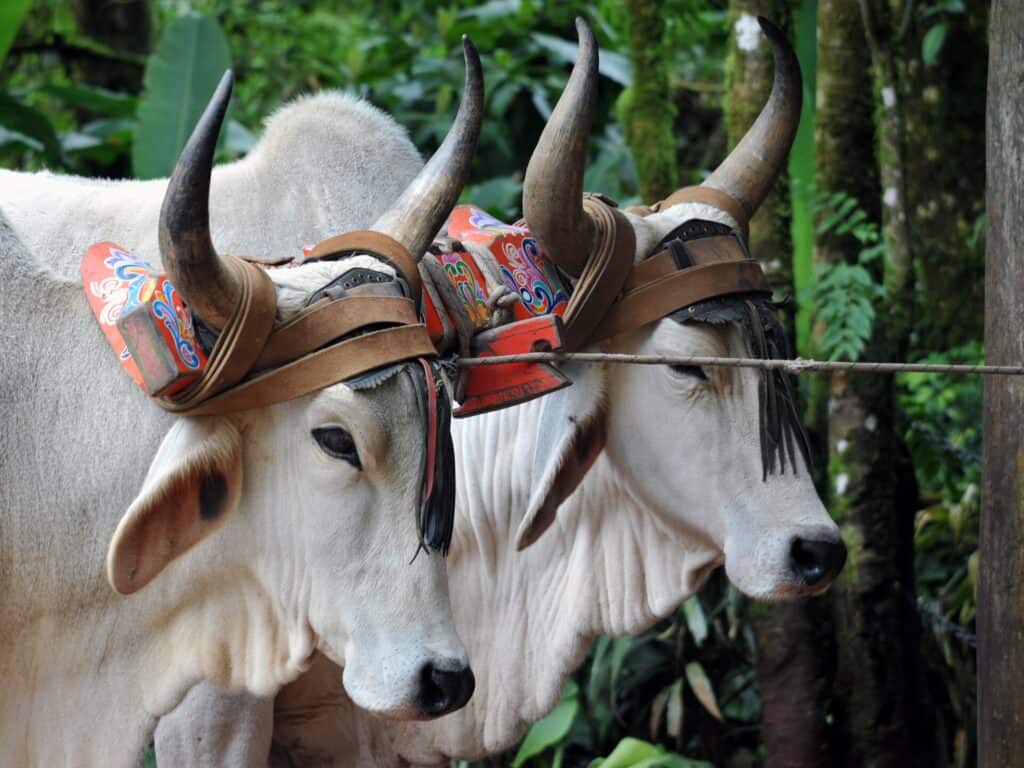
Guanacaste is cattle country, and Liberia is its center. The sabanero, the Guanacaste cowboy, is part of local pride. You see it most around July 25, the day Guanacaste celebrates its annexation to Costa Rica in 1824. Liberia holds a festival every July with parades, folk dances, cattle shows, local food and marimba music.
Things to do in Liberia, Costa Rica (half-day and full-day ideas)
With 2 to 3 hours, walk downtown Liberia and see its churches and central park. With half a day or more, drive about 45 minutes to Rincón de la Vieja National Park, or 30 minutes to Llanos de Cortés waterfall. With a full day, add hot springs and mud baths, or take a boat tour in Palo Verde National Park.
Prices and hours below are as of October 2026. They change often, so check before you go.
Downtown Liberia (2 to 3 hours)
Downtown Liberia is small and flat, and you can see the main sights on foot in a couple of hours. Go in the morning or late afternoon, since midday is very hot.
- Parque Central and the Immaculate Conception church. The central park is the heart of town, with shade trees, benches and the large white church on its east side. It’s a good place to sit in the shade and watch daily life.
- La Ermita de la Agonía. This small white church is older than the main one. A University of Costa Rica history study says it was finished in the 1860s, after the town asked for it for about 20 years. Opening times vary, so you may only see the outside.
- Old colonial houses. Walk the streets around the park to see older houses with thick walls, wooden doors and tile roofs, from the days when Liberia was a small ranching town.
- Museo de Guanacaste. This museum is in the old military barracks near the central park. It mostly hosts rotating exhibits and cultural events rather than a permanent collection, so check what’s on before you plan around it.
Rincón de la Vieja National Park (half day to full day)
Rincón de la Vieja is an active volcano with a national park on its slopes, about 25 km northeast of Liberia. The drive to the Las Pailas sector takes about 30 to 45 minutes on a mostly paved road. It’s the most popular day trip from Liberia.
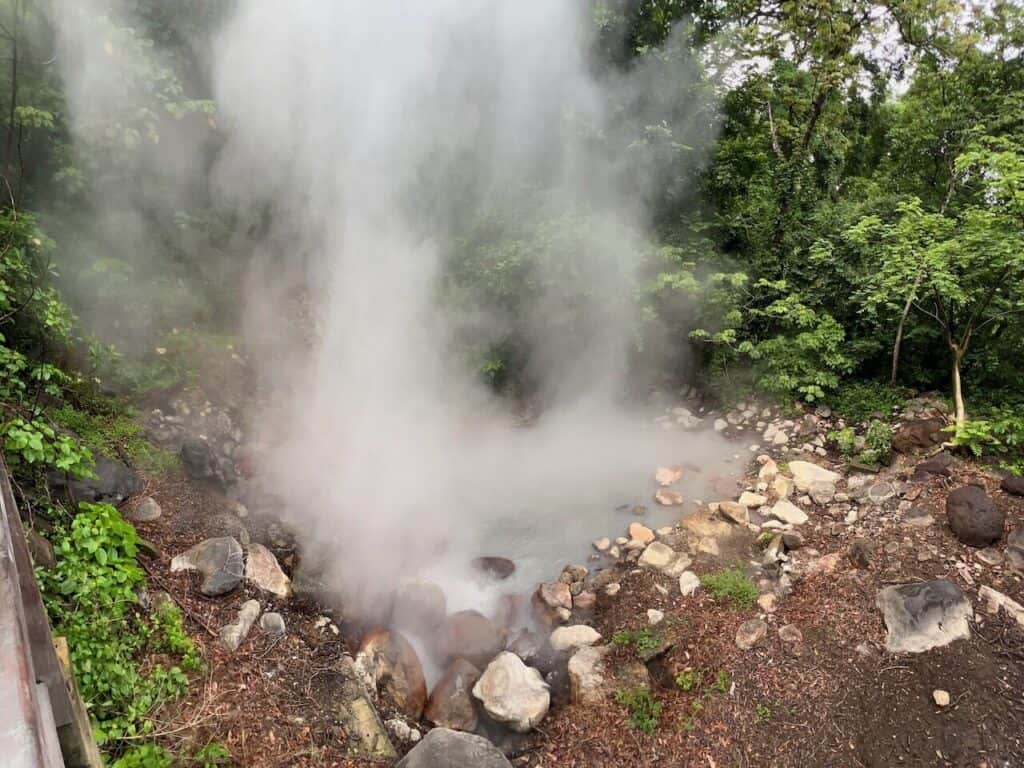
The main loop trail at Las Pailas passes bubbling mud pots, and steaming fumaroles (volcanic steam vents). Longer trails go to waterfalls. Here’s what to know before you go (as of October 2026):
- Tickets: buy them online in advance through the SINAC national park ticket system. The park doesn’t sell tickets at the gate.
- Price: published rates are $16.95 for foreign adults and $5.65 for children ages 2 to 12.
- Hours: the Las Pailas sector is open Tuesday to Sunday, 8am to 3pm, and closed on Mondays.
- Waterfall trails: you need to start before noon to hike to the waterfalls. After 12pm, only the mud pot loop is open.
- Rainy days: the park sometimes closes after heavy rain, especially in the rainiest months.
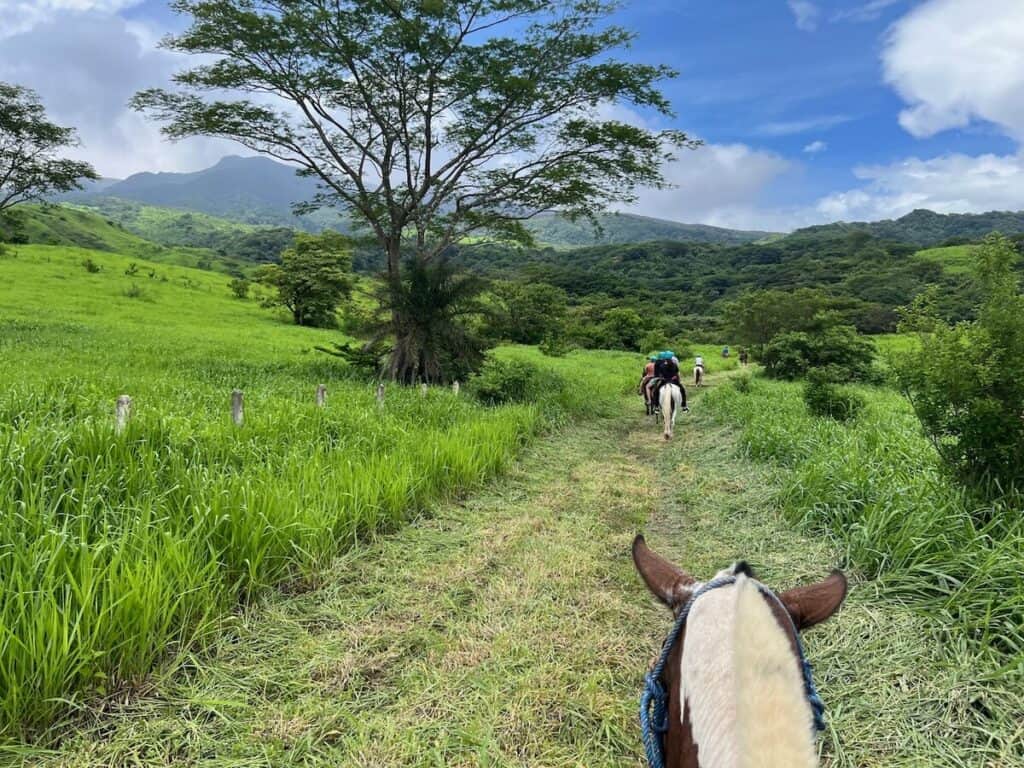
Many people don’t go on their own. Tour companies in Tamarindo run full-day Rincón de la Vieja trips that combine the volcano area with horseback riding, ziplining, hot springs and a mud bath, usually with transportation and lunch included. The drive from Tamarindo takes about 1.5 to 2 hours each way. If horseback riding is the part you care about most, see our horseback riding tours in Tamarindo, ranked by Google reviews.
Hot springs and mud baths (half day)
The land around Rincón de la Vieja is hot underground, and several private hot springs near the park sell day passes. A typical visit includes warm thermal pools, a volcanic mud bath that you let dry on your skin and then rinse off, and sometimes a steam room. There are also hot springs farther southeast, near Miravalles volcano.
Hot springs are a good choice on your last day, before an afternoon flight. Some day passes include lunch. Some places also offer ziplining, so you can do both in one stop. Compare ziplining tours from Tamarindo if you’d rather add the canopy part to a beach day instead.
Llanos de Cortés waterfall (2 to 3 hours)
Llanos de Cortés is a wide waterfall near Bagaces, about 30 minutes south of Liberia on the Inter-American Highway (Route 1). It falls into a large pool with a small sandy beach, and you can swim. It’s one of the easiest waterfalls to reach in Guanacaste: a short, steep walk down from the parking area.
- Entry: about $7 to $8 for adults and about $4 for children, paid in cash, colones or dollars (as of 2026).
- Hours: usually 8am to 4pm daily, with last entry around 3:30pm.
- Tip: go early on weekends. It gets busy with local families.
It’s about 30 minutes from Liberia, so it fits well into a day with a late flight.
Palo Verde National Park (full day)
Palo Verde is a wetland park along the Tempisque River, south of Liberia, known for birds and crocodiles. Most visitors go on a guided boat tour on the river rather than hiking. It’s a longer trip on part dirt road, so plan a full day or book a tour that includes transportation. Ask whether the park fee is included when you book.
Where to eat in Liberia
Liberia is a good place to eat local food at local prices. Look for sodas for lunch, steakhouses for dinner, and the chain restaurants and fast-food places along the highway and the road to the airport when you’re short on time.
Sodas. A soda is a small family-run Costa Rican restaurant. Order a casado, the classic lunch plate of rice, beans, salad, plantain and meat or fish. A meal at a soda usually costs less than at most restaurants in Tamarindo.
Guanacaste corn foods. Guanacaste has its own corn-based snacks and dishes. Look for rosquillas (crunchy corn and cheese rings), tanelas (a sweet corn bread with cheese) and arroz de maíz, a corn dish that, despite the name, has no rice. You’ll find them at bakeries and markets in town.
Steakhouses and grills. In ranch country, beef is a big part of the menu. You’ll find grills and steakhouses in town and along the main highway.
Chains and supermarkets. Liberia has fast-food places, chain restaurants and big supermarkets, many along the main highway through town. They’re the easy choice before a flight, or for groceries on the way to the beach. Once you’re in Tamarindo, browse restaurants in Tamarindo by type of food.
Restaurants in Liberia open and close often, so we don’t name them here. Check recent Google reviews before you go.
Is Liberia, Costa Rica safe?
Liberia is a regular Costa Rican city, and most visitors have no problems there. The main risk is petty theft, like bags taken from cars or phones taken from tables. Use the same care you would in any city. For the beach town, read our Tamarindo safety guide.
The US State Department rates Costa Rica as a whole at Level 2, “Exercise Increased Caution”, mainly because of crime (advisory issued April 2, 2026). It doesn’t single out Liberia. Here are practical tips:
- Don’t leave bags, passports or electronics in a parked car, even for a few minutes. Rental cars are easy to spot.
- Use ATMs inside banks or supermarkets, during the day.
- At night, take a licensed taxi rather than walking on empty or poorly lit streets.
- Keep your phone in your pocket, not on a café table near the sidewalk.
- Don’t wear expensive jewelry or watches around town.
- In an emergency, call 911. It works across Costa Rica.
What is the weather like in Liberia, Costa Rica?
Liberia is one of the hottest and driest parts of Costa Rica. The average high is about 33°C (92°F) and the average low about 22°C (72°F). The dry season runs from December to April, and the green season (rainy season) from May to November.
Dry season (December to April). Almost no rain, blue skies and strong sun. January is the driest month. The hills turn brown, and the heat builds toward March and April. This is also high season, so book tours ahead.
Green season (May to November). Most days start sunny, with rain in the afternoon or evening. The countryside turns green, and Rincón de la Vieja’s waterfalls have more water. September is the wettest month, and October is often close behind.
Liberia is inland, so it doesn’t get the ocean breeze you feel in Tamarindo. It often feels hotter than the beach. Bring water, a hat and sunscreen, even for a short walk downtown. For beach weather month by month, see the best time to visit Tamarindo.
Should you stay a night in Liberia or go straight to the beach?
Most Tamarindo visitors should go straight to the beach. The drive from Liberia airport is only about 1 hour 15 minutes. Stay a night in Liberia only if you land late, leave on a very early flight, or want to visit Rincón de la Vieja without a long drive.
Stay a night in Liberia if:
- Your flight lands after dark. It gets dark around 5:30 to 6pm all year in Costa Rica, and the roads to the coast are unlit and new to you.
- Your flight home leaves early in the morning. Many hotels are close to the airport.
- You want to start at Rincón de la Vieja when it opens, before the waterfall trails close at noon.
- You’d like a quieter, cheaper first night after a long travel day.
Go straight to Tamarindo if:
- You land by early afternoon. You’ll be on the beach for sunset.
- You booked a shuttle. Drivers make this trip every day and know the road.
- You only have a week. Every night in Liberia is a night less at the beach.
If you go straight to the beach, compare hotels in Tamarindo by area and price. If you’re driving yourself, you’ll need a car for Liberia and Rincón de la Vieja. See car rental companies in Tamarindo.
How far is Liberia from Tamarindo?
Liberia airport (LIR) is about 70 km from Tamarindo, about 1 hour 15 minutes by car. Downtown Liberia is about 78 km away, or about 1.5 hours. The airport sits between the two. Our guide covers every way to get to Tamarindo.
Ways to get from Liberia to Tamarindo (prices as of October 2026)
- Shared shuttle: about $30 to $65 per person from the airport. Good for couples and solo travelers.
- Private shuttle or taxi: about $100 to $150 per vehicle. Good for families and groups, and you leave when you’re ready.
- Rental car: about 1 hour 15 minutes from the airport. Good if you plan day trips, like Rincón de la Vieja.
- Public bus: about $3 to $5. It leaves from Liberia’s municipal bus terminal in town, not from the airport, and takes about 2 hours. It’s cheap, but not easy with luggage or kids.
- Uber: there are very few cars in Tamarindo, and drivers often decline the long airport ride. Don’t count on it.
You can book airport shuttles in Tamarindo ahead of time. If you want to stop at a supermarket on the way, ask when you book. Not sure which to pick? See our guide to choosing a shuttle, taxi or rental car.
Frequently asked questions about Liberia, Costa Rica
Is Liberia, Costa Rica worth visiting?
Yes, for a few hours or a day, especially if you’re near the airport anyway. The town is small, but it shows you everyday Costa Rica, and Rincón de la Vieja National Park is less than an hour away. Most people don’t need more than one night.
Why do people go to Liberia, Costa Rica?
Most people go to Liberia because of its airport, the closest international airport to Guanacaste’s beaches. Others come for Rincón de la Vieja National Park, hot springs, waterfalls and the July festival celebrating Guanacaste’s ranch culture.
Is it better to fly into San José or Liberia, Costa Rica?
If you’re going to Tamarindo, fly into Liberia. Liberia airport (LIR) is about 1 hour 15 minutes from Tamarindo by car, while the drive from San José to Tamarindo takes about 4.5 to 5 hours. San José makes more sense if your trip also includes Arenal, the Caribbean coast or the central mountains.
Can you do a Rincón de la Vieja day trip from Tamarindo?
Yes. Tamarindo tour companies run full-day trips that usually include transportation, a park visit or ranch activities, hot springs and lunch. Expect about 1.5 to 2 hours of driving each way, and remember that the national park is closed on Mondays.
Planning a day trip to Rincón de la Vieja or Llanos de Cortés? Find tour agencies in Tamarindo that run volcano and waterfall trips.